Nazareth is where, according to Christian tradition, the angel Gabriel told Mary that she would bear a son, and where Jesus grew up. Today it is Israel’s largest Arab city, home to Christian and Muslim communities, spread over the hills of the Lower Galilee above the Jezreel Valley.
Many groups give Nazareth an hour at the Basilica of the Annunciation and drive on toward the Sea of Galilee. With half a day or more, you can visit the churches of both the Catholic and the Orthodox traditions, walk the old market and sit down to some of the best Arab cooking in the country. Here is how we would spend the time.
1. The Basilica of the Annunciation
Catholic tradition places the home of Mary, and the Annunciation itself, in a small grotto that is now enclosed by this basilica. The present church was completed in 1969 over the remains of Byzantine and Crusader churches, and its lantern-shaped dome is the landmark of the city. The lower church is built around the grotto and is kept quiet for prayer, while the upper church serves the local parish.
Take time in the courtyard and along the walls of the upper church. They hold images of Mary sent by Catholic communities from many countries, each showing her in the style and dress of the people who made it. Next door, the Church of St. Joseph marks the traditional site of Joseph’s workshop, with older remains in its crypt.
2. St. Gabriel’s Church and Mary’s Well
A short walk north, the Greek Orthodox Church of the Annunciation, often called St. Gabriel’s Church, tells the story differently. Orthodox tradition, drawing on an early Christian text, holds that Gabriel first appeared to Mary while she was drawing water at the village spring. The present church dates from the 18th century, built over earlier remains, and steps lead down to a small vaulted chapel where the spring still flows beneath walls covered in icons.
Down the road, Mary’s Well marks the place where the people of Nazareth drew water from that same spring for centuries. The fountain house you see today is a reconstruction, and the square around it, with its cafes, is a good place to rest. In December the square is one of the centers of the city’s Christmas celebrations.
3. The Old City and the Market
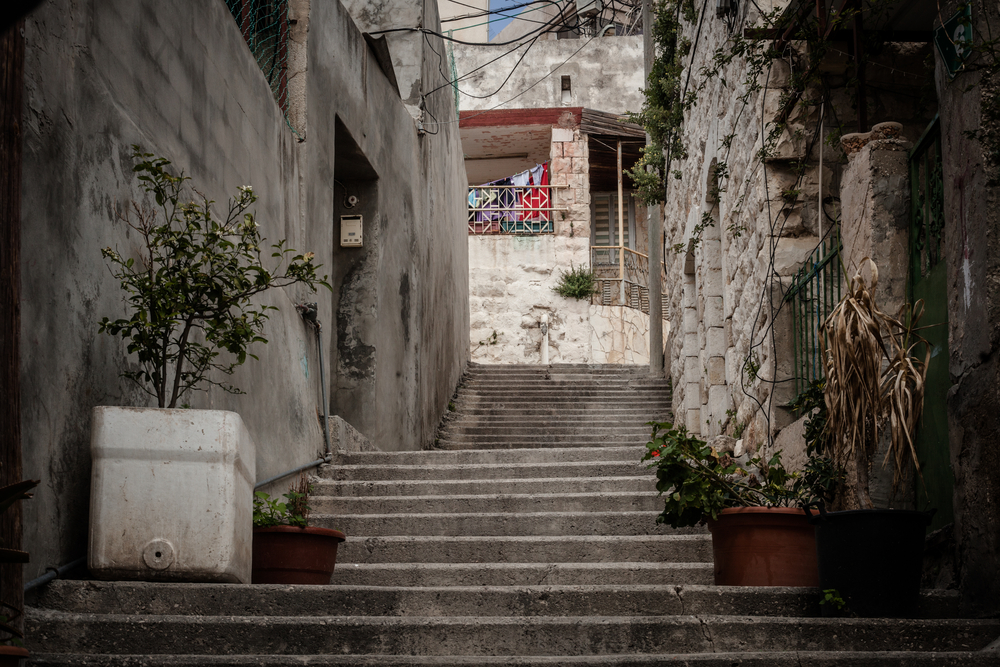
The old city climbs the hill above the basilica in a tangle of lanes and stairways. Its market, the souk, sells spices, coffee, sweets, household goods and souvenirs, and the best way to see it is slowly, stopping wherever something smells good. Mornings are the liveliest time.
Inside the market, look for the Synagogue Church, a small Greek Catholic church on the traditional site of the synagogue where, according to the Gospel of Luke, Jesus read from the book of Isaiah. It is easy to miss without someone who knows the lanes.
4. Ottoman-Era Mansions
Wealthy merchant families built grand stone houses in Nazareth during the Ottoman period, with arched windows, inner courtyards and painted ceilings. Many have faded, but several have been restored as guesthouses, cafes and cultural spaces, and stepping inside one is the best way to imagine the city two centuries ago.
The Saraya, the government house built in the 18th century under Daher al-Omar, the local ruler of the Galilee, stands near the market. Ask your guide which houses are open on the day of your visit.
5. The White Mosque
The White Mosque stands in the heart of the market and is one of the city’s historic landmarks, built around the turn of the 19th century. Its slender minaret, cream walls and green trim make it easy to spot. The name is said to reflect the hope of its founders for peace and purity among all the faiths of the city.
Visitors are usually welcome outside prayer times. Dress modestly, remove your shoes at the entrance, and avoid visiting around Friday midday prayers, when the mosque is at its busiest.
6. Mount Precipice
On the southern edge of the city, Mount Precipice is the traditional site of a scene from the Gospel of Luke: after Jesus spoke in the synagogue of Nazareth, angry townspeople led him to the brow of the hill to throw him down, but he passed through the crowd and went on his way. The summit has one of the widest views in the Galilee, over the Jezreel Valley to Mount Tabor and Mount Gilboa.
The cliff also holds the Qafzeh Cave, where archaeologists found human remains roughly 100,000 years old, among the earliest traces of modern humans outside Africa. Come in the late afternoon for the light over the valley.
7. Nazareth Village
Nazareth Village is an open-air reconstruction of a Galilean village from the time of Jesus, with terraced fields, an olive press, a threshing floor and a replica synagogue. Guides and staff in period dress show daily life and explain the parables against the background they came from. It works especially well for families and church groups. Visits are guided at set times, so book ahead.
8. Food in Nazareth
Nazareth has one of the strongest food scenes in the north. Alongside classic hummus and grilled meats, a new generation of chefs cooks Galilean Arab dishes with local herbs and seasonal produce. Leave room for knafeh, the warm cheese pastry soaked in syrup, and for coffee with cardamom from one of the old roasters in the market.
If food is part of why you travel, Nazareth fits naturally into our culinary tours.
Planning Your Visit
- How long. Half a day covers the two Annunciation churches, Mary’s Well and a walk through the market. A full day adds Mount Precipice, Nazareth Village and a long lunch.
- Which day. Weekdays are best. Many shops in the old city close on Sundays, and the churches are busiest with services on Sunday mornings.
- What to wear. Cover your shoulders and knees for the churches and the mosque.
- What to combine. Cana, Mount Tabor and the Sea of Galilee are all a short drive away.
- Christmas. The city celebrates with lights, markets and a parade in the days before Christmas, and hotels fill early.
Visit Nazareth on a Holy Land Tour
Nazareth is a key stop on our Holy Land tours, usually on the same days as the Sea of Galilee and before the drive south to Jerusalem. Our guides are licensed by Israel’s Ministry of Tourism, and we shape every day around your interests and pace, whether you want a quiet hour in the grotto or an extra afternoon in the market. Browse our private tours for more ideas.
Tell us when you are traveling and which sites matter most to you, and we will build your Galilee days around them. Get a free quote.
Frequently Asked Questions
How much time do you need in Nazareth?
Half a day is enough for the main churches and the market. Plan a full day if you want to add Mount Precipice, Nazareth Village and a relaxed meal.
What is the difference between the Basilica of the Annunciation and St. Gabriel’s Church?
Both mark the Annunciation. The Catholic basilica stands over the grotto traditionally identified as Mary’s home, while the Greek Orthodox St. Gabriel’s Church stands over the spring where Orthodox tradition says Gabriel first spoke to her.
What should I wear to visit Nazareth?
Light clothes that cover your shoulders and knees work for every church and the White Mosque. Comfortable shoes help on the steep, stepped lanes of the old city.