Before there was a Tel Aviv, there was Neve Tzedek. In 1887 a group of Jewish families from crowded Jaffa bought land in the sand dunes to the north and built a new neighborhood of low houses along narrow lanes. Tel Aviv was founded next door 22 years later, and today Neve Tzedek is its oldest quarter, a few minutes’ walk from the beach and from the glass towers of the modern city.
The neighborhood is small enough to explore in a morning, yet it holds more than most visitors expect: a dance center in two restored schools, a founder’s house turned museum, a street of boutiques and cafes, and the restored terminus of the first railway in the region. This guide walks you through it and on to Jaffa.
A Short History
The name comes from a phrase in the Book of Jeremiah and means “dwelling of righteousness”. It was the first Jewish neighborhood built outside the old city of Jaffa, and in its early years it drew writers and artists. S. Y. Agnon, who later won the Nobel Prize in Literature, lived here as a young man, and the painter Nahum Gutman grew up in its lanes and drew them for the rest of his life.
As Tel Aviv spread north, the neighborhood was left behind. By the 1970s many of its houses were crumbling and some were marked for demolition. Restoration began in the 1980s, and Neve Tzedek is now one of the most sought-after addresses in the city, with its old houses repaired and painted and its streets kept at a low, human scale.
Shabazi Street
Shabazi Street is the neighborhood’s main lane, named after Rabbi Shalom Shabazi, the 17th-century Yemenite poet. It is lined with restored one- and two-story houses with wooden shutters, small balconies and tiled doorsteps, many now home to boutiques of Israeli designers, jewelers, ceramicists and small galleries.
Walk it slowly and look up: the details are in the arched windows, the iron railings and the old house numbers. Cafes put their tables on the sidewalk, and an ice cream or a coffee here is part of the visit. The side streets, Rokach and Pines among them, are quieter and good for photographs, especially in the soft light of the early morning.
The Suzanne Dellal Centre
At the heart of the neighborhood, three late 19th-century school buildings were restored and opened in 1989 as the Suzanne Dellal Centre for Dance and Theatre. It is the home of the Batsheva Dance Company, founded in 1964 and known around the world, and of the Inbal Dance Theater, which draws on the dance traditions of Yemenite and other Jewish communities.
You do not need a ticket to enjoy it. The central plaza, with orange trees, palms, narrow water channels and tiled paths, is open to walk through, and it is one of the calmest spots in central Tel Aviv. If you can spend an evening in the city, book a performance ahead; the schedule changes through the year.
The Rokach House
Shimon Rokach, one of the founders of the neighborhood, built this house in 1887, and it is one of the first homes in Neve Tzedek. Decades later his granddaughter, the sculptor Lea Majaro-Mintz, restored it and turned it into a small museum about the early days of the neighborhood, with her own sculptures in the rooms and the garden.
It is a small, personal place, and a good way to picture how the first families lived here. Opening days are limited, so check before you go.
The Nahum Gutman Museum
A short walk away on Rokach Street, the Nahum Gutman Museum of Art fills a late 19th-century house where several Hebrew writers lived and worked in the early 20th century. Today it shows Gutman’s paintings, drawings and book illustrations, many of them portraits of early Tel Aviv and Jaffa. His lively, often humorous pictures make it an easy museum for children as well as adults.
HaTachana, the Old Train Station
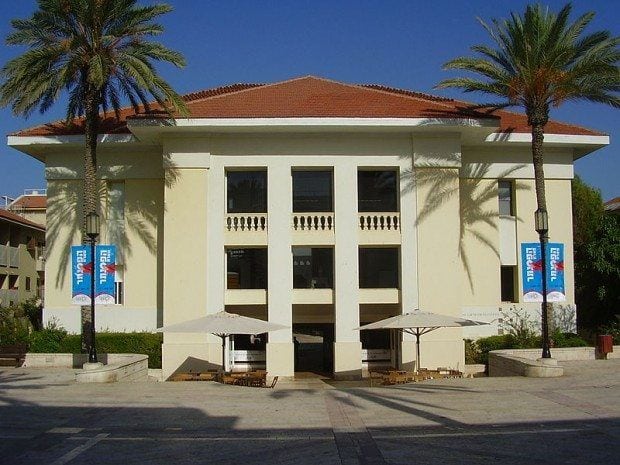
At the southern edge of Neve Tzedek stands HaTachana, the old Jaffa station. It opened in 1892 as the terminus of the first railway line in the country, which ran from Jaffa to Jerusalem. The station closed after 1948 and sat neglected for decades before it was restored and reopened in 2010 as a place to stroll, shop and eat.
The complex keeps the station building, the freight sheds, old railway carriages on the tracks and the restored villa of the Wieland family, Templers from Germany who lived beside the line. In between are design shops, cafes and restaurants, and on some days a craft fair. Unlike much of the city, HaTachana usually stays open on Saturdays, which makes it a useful stop over Shabbat.
Where to Eat and Drink
Neve Tzedek is a grazing neighborhood. You will find bakeries for breakfast, cafes for a long lunch on Shabazi Street, and chef restaurants for dinner, several in restored old houses with courtyards. Book dinner ahead, especially on Thursday and Friday evenings, when the whole city goes out.
The Carmel Market and the Yemenite Quarter are a few minutes’ walk to the north if you want street food. Our guide to Tel Aviv shows how they fit into a full day in the city.
Walking On to Jaffa
From HaTachana, head west to the seafront by Charles Clore Park, a green strip right on the water, and follow the promenade south. The walk to the clock tower at the entrance to old Jaffa takes about 20 minutes, flat all the way, with the old city rising ahead of you on its hill.
Time it for the late afternoon, and you reach Jaffa as the sun sets over the sea, with the lights of Tel Aviv coming on behind you. From there you can climb into the old city, wander the flea market or end the day at the port. If you would rather swim first, the beaches south of the city center are close by; see our guide to the best beaches in Israel.
Practical Tips for Neve Tzedek
- How long. Two to three hours covers a relaxed walk. Give it half a day with a museum and a long lunch.
- When to go. Mornings are quiet and cool, late afternoons are lively, and summer middays are hot. Shops are busiest on Friday mornings.
- Shabbat. Some boutiques and museums close or keep short hours from Friday afternoon to Saturday evening, while HaTachana and many cafes stay open. Check the places you have in mind.
- Footwear. Sidewalks are narrow and some are uneven, so wear comfortable shoes.
Explore Tel Aviv with Us
Neve Tzedek is a regular stop on our Tel Aviv days, usually as a walk between the Bauhaus avenues and old Jaffa. Guests who love design, dance and galleries can spend longer here on our art tours, and food lovers often pair it with the Carmel Market on our culinary tours. Our guides are licensed by Israel’s Ministry of Tourism, and we adapt each day to your interests and pace.
Tell us when you are traveling and how you like to explore a city, and we will build your Tel Aviv days around it. Get a free quote.
Frequently Asked Questions
Is Neve Tzedek the oldest neighborhood in Tel Aviv?
Apart from Jaffa itself, yes. Neve Tzedek was founded in 1887 as the first Jewish neighborhood built outside Jaffa, 22 years before Tel Aviv, and it is now part of the city.
How much time do you need in Neve Tzedek?
Two to three hours is enough for a relaxed walk along Shabazi Street, the Suzanne Dellal Centre and HaTachana. Add an hour or two for a museum or a long meal.
Can you walk from Neve Tzedek to Jaffa?
Yes. From HaTachana it is about 20 minutes on foot along the seafront promenade to the clock tower at the entrance to old Jaffa, and the route is flat the whole way.