Most first trips to Israel follow the same well-loved route: the Old City of Jerusalem, a sunrise at Masada, a float in the Dead Sea and a few days on the beach in Tel Aviv. The country is small, though, and a short drive in almost any direction takes you somewhere far fewer visitors see.
These fifteen ideas run from the snow line in the far north to the coral reefs of the Red Sea. Pick the ones that suit your interests, and we can work them into the rest of your trip.
1. See Snow on Mount Hermon
Israel is mostly desert, yet in a good winter snow covers the upper slopes of Mount Hermon, at the northern tip of the Golan Heights. On snowy days the site opens for sledding and cable car rides with views over the Golan and the Galilee, and because distances are short, a morning in the snow and an evening on the Mediterranean coast is a realistic, if long, day.
Skiing has not been offered in recent seasons, and snow is never guaranteed, so the site opens only when conditions allow. Access to areas close to the northern border also changes. Confirm both close to your travel dates, and see our safety and flexibility page for how changes are handled.
2. See the Sea Grottoes at Rosh Hanikra
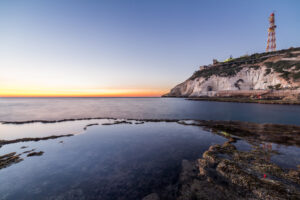
At the very north of the coast, white chalk cliffs drop into the Mediterranean at Rosh Hanikra. A short cable car takes you down to a network of grottoes that the sea has carved into the rock, where the water turns a deep turquoise on a sunny day.
Like Mount Hermon, Rosh Hanikra sits right on the border, and the site has closed at times. Check that it is open before you plan your day around it.
3. Walk the Walls of Acre
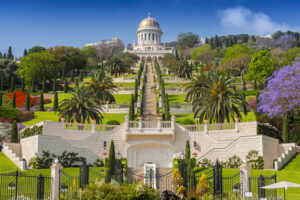
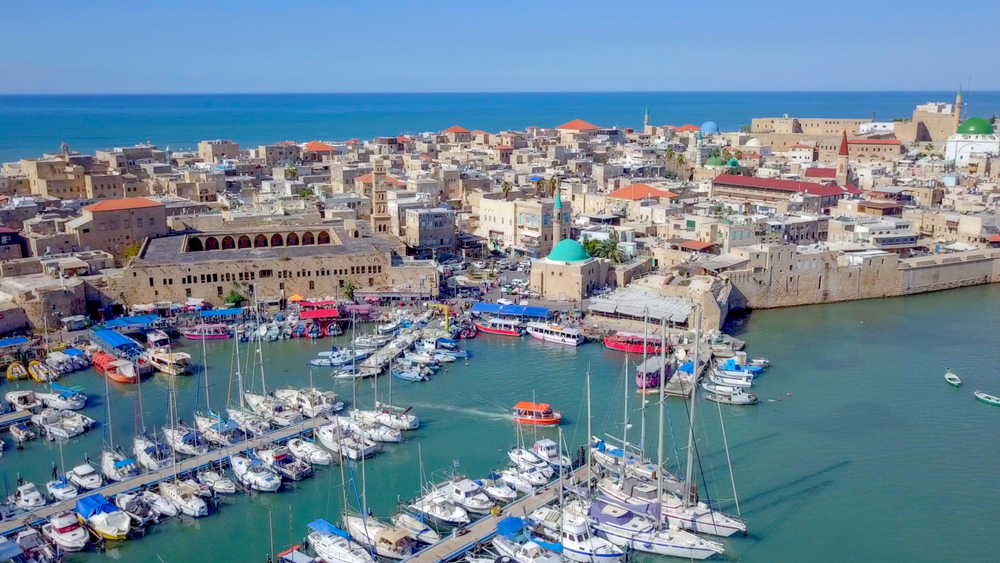
Acre, also called Akko, is one of the oldest port cities in the world, and its old city is a UNESCO World Heritage Site. Jews and Arabs, Muslim and Christian, live side by side here, and the holiest site of the Baha’i faith stands just outside town.
Walk the sea walls, explore the Crusader halls of the Hospitaller Fortress and the Templars’ Tunnel, then lose yourself in the market. Many Israelis will tell you the hummus here is the best in the country, and an hour of tasting is the easiest way to judge for yourself.
4. Taste Wine in the Galilee and the Golan
Northern Israel is wine country. The cool nights of the Upper Galilee and the volcanic soil of the Golan Heights support dozens of wineries, from large producers with visitor centers to family cellars that pour by appointment. Pair a tasting with a long lunch, and let a driver handle the roads.
5. Swim in the Springs of Gan HaShlosha
Gan HaShlosha National Park, known locally as Sakhne, sits at the foot of Mount Gilboa near Beit She’an. Spring-fed pools stay warm enough to swim in through most of the year, framed by lawns and palms that explain its local nickname, the Garden of Eden.
Arrive early on weekends and holidays, when Israeli families fill the lawns. Pack a picnic, a towel and water shoes.
6. Eat Your Way Through Nazareth
Most visitors come to Nazareth for the Basilica of the Annunciation, and it deserves the visit. Stay an extra hour for the food. The old market and the bakeries nearby are known for Arab sweets: syrupy baklava, warm knafeh with melted cheese, and awameh, small fried dough balls soaked in syrup.
It is one of the tastings we often include on culinary tours.
7. Meet the Artists of Ein Hod
Ein Hod is an artists’ village on the slopes of Mount Carmel, south of Haifa. Painters, sculptors, ceramicists and musicians live and work in its old stone houses, and many open their studios and galleries to visitors. The Janco-Dada Museum honors the village’s founder, the artist Marcel Janco.
Wander the lanes slowly. Some studios keep irregular hours, so a weekday morning is usually the best time to find doors open.
8. Follow the Street Art of South Tel Aviv
Tel Aviv’s walls are an open-air gallery, and the densest collection is in Florentin, a neighborhood of workshops, cafes and small bars in the south of the city. A local guide can point out the artists behind the work and the stories in it, or you can simply wander with a camera.
9. Eat Vegan in Tel Aviv
Tel Aviv has one of the liveliest vegan food scenes anywhere, and plant-based dishes are easy to find on menus across the city. That goes well beyond falafel and hummus: think vegan versions of shawarma and pastries, along with restaurants serving Ethiopian and Georgian food with plenty of meat-free options.
10. Drive Route 40 Through the Negev
Route 40 runs south through the heart of the Negev, from Be’er Sheva toward Eilat, and the drive itself is one of the country’s great landscapes. Stop at Midreshet Ben-Gurion, where David Ben-Gurion is buried on a cliff above the Zin Valley, then continue to Mitzpe Ramon and the vast Ramon Crater.
Start early, carry plenty of water, and watch for camels and ibex on the road.
11. Spend a Night in the Desert
The Negev is at its best after dark. You can sleep in a Bedouin-style hospitality tent, at a desert lodge or at a simple campsite, eat around a fire, and look up at a sky with very little light pollution. The silence is the thing most guests remember.
Desert nights get cold, even after a hot day, so pack a warm layer.
12. Meet the Animals of the Desert
At the Yotvata Hai-Bar Nature Reserve in the Arava, you drive slowly through enclosures where endangered desert species such as the Arabian oryx, the addax and wild asses roam, and ostriches sometimes come right up to the car.
Near Mitzpe Ramon, an alpaca farm lets children and adults feed alpacas and llamas, and it is an easy family stop on the way south.
13. Snorkel the Coral Reefs of Eilat
The Red Sea off Eilat has coral reefs right next to the shore, so you can see them without diving. At the Coral Beach Nature Reserve, short walkways lead from the beach over the shallow reef to deeper water, where fish and coral are easy to spot with just a mask and snorkel.
Bring reef-safe sunscreen, and never stand on or touch the coral.
14. Hike Timna Park and the Red Canyon
North of Eilat, Timna Park mixes striking geology with history: sandstone formations such as Solomon’s Pillars and the Mushroom, and copper mines worked thousands of years ago. A short drive away, in the Eilat Mountains, the Red Canyon is a narrow gorge whose walls glow red and purple in the late afternoon.
Both are best in the cooler months and early in the day. Take water and sturdy shoes, and skip the canyon if rain is forecast anywhere in the region, as flash floods can arrive with no warning.
15. Watch the Sunrise Over Four Countries
From Mount Tzfachot, above Eilat, the view on a clear morning takes in Israel, Jordan, Egypt and Saudi Arabia around the Gulf of Aqaba. The climb is short but steep, and you start in the dark, so bring a headlamp and let a guide lead the way.
Plan Your Off-the-Beaten-Path Days
Most of these stops are spread far apart, from the Lebanese border to the Red Sea, so they work best as part of a route rather than as day trips from one base. A few tips help:
- Group by region. Pair Acre, Ein Hod and Rosh Hanikra in the north, and Route 40, Timna and Eilat in the south.
- Plan around Shabbat. Many shops and some sites close from Friday afternoon to Saturday evening, while Arab towns such as Nazareth keep their own rhythm.
- Check the season. The desert is best from October to April, and snow on Mount Hermon only falls in winter.
- Confirm border-area sites shortly before you travel, as access can change.
Build a Trip Beyond the Classics
We have been planning trips in Israel since 1981, and we build every itinerary around the group’s dates, interests and pace, whether that means an extra night in the desert or a free afternoon in Acre. Browse our private tours for ideas, and read how we handle changes on our safety and flexibility page.
Tell us which of these ideas caught your eye, and we will fit them into your route. Get a free quote.
Frequently Asked Questions
Can I combine off-the-beaten-path stops with the main sights?
Yes, and that is how most of our guests do it. Jerusalem, Masada and the Dead Sea anchor the trip, and stops like Acre, Nazareth or a night in the Negev slot in between them along the way.
When is the best time to visit the Negev and Eilat?
October to April is the most comfortable time for hiking and driving in the desert. Summer days are very hot, so plan outdoor activities for early morning and late afternoon.
Do I need a guide for these places?
Many of these places can be visited on your own, but a licensed guide makes the most of places like Acre, Timna and Ein Hod. A guide also keeps track of sites whose hours or access can change, especially near the borders.