Wine has been made in this land for thousands of years. Archaeologists have found ancient winepresses carved into the rock all over the country, and grapes appear again and again in the Bible. The modern industry is much younger, and it has changed a great deal in the past few decades, with hundreds of wineries now working everywhere from the Golan Heights to the Negev desert.
An Israel wine tour is an easy way to see the country’s landscapes and meet the people who farm them. Because Israel is so small, you can taste in two or three regions in a single trip. Here is how the main regions differ, with some well-established wineries in each.
The Golan Heights and the Upper Galilee
The far north is the coolest, highest part of the country, and it is one of Israel’s most celebrated growing areas. Vineyards sit on volcanic soil and on slopes high enough to see snow in some winters, which helps the grapes ripen slowly. Parts of the region are close to the northern border, so check access near your travel dates; our safety and flexibility page explains how changes are handled.
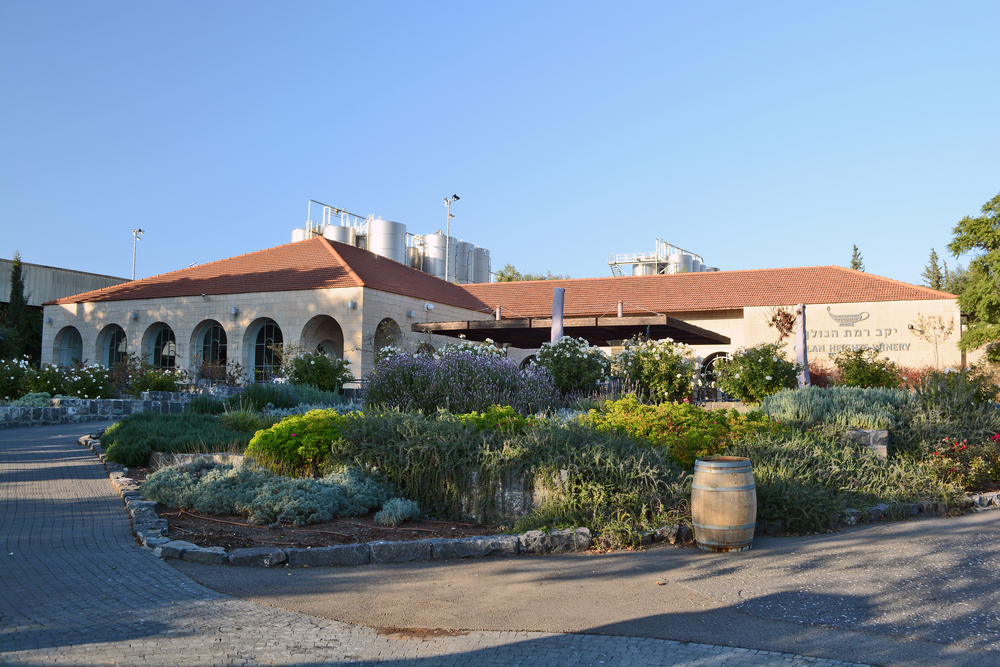
Golan Heights Winery in Katzrin opened in the early 1980s and played a large part in bringing modern winemaking to Israel. Its visitor center offers tours of the cellars and tastings of its labels, and its wines are sold in many countries. It is a good first stop if you want an overview of how Israeli wine developed.
Pelter Winery is a family-run winery in the Golan, founded by brothers Tal and Nir Pelter after Tal studied winemaking in Australia. It is known for its creative blends and its sparkling wines. Book tastings and meals ahead.
The Lower Galilee and the Jezreel Valley
Further south, the rolling hills of the Lower Galilee are warmer and greener, and the wineries tend to be smaller and more relaxed. This area pairs easily with visits to Nazareth, Mount Tabor and the Sea of Galilee.
Tabor Winery sits at the foot of Mount Tabor, in Kfar Tavor. It works with growers across the surrounding hills and runs guided visits and tastings at its visitor center.
Tulip Winery in Kfar Tikva, near Kiryat Tivon, is worth a stop for its story as much as its wine. Kfar Tikva is a village for adults with special needs, and the winery employs some of its residents. A visit combines a tasting with time to learn about the community.
Mount Carmel and Zichron Ya’akov
The southern slopes of Mount Carmel, near the coast, are where Israel’s modern wine industry began. In 1882 Baron Edmond de Rothschild began supporting the vineyards of the new farming villages here, and the town of Zichron Ya’akov still feels like a wine town, with stone houses, a walking street and cellars nearby.
Carmel Winery traces its roots to that period and is one of the oldest wineries in the country. Its historic cellars in Zichron Ya’akov were built at the end of the 19th century, and the visitor center offers tours and tastings.
Tishbi Winery is run by a family that has grown grapes in the area for generations, since their ancestors planted vines in the Rothschild era. The winery itself opened in the 1980s. Alongside the wine, the visitor center is known for pairings with chocolate.
Binyamina Winery, a short drive away in the town of Binyamina, was founded in the early 1950s and is one of the longer-established wineries in the region. It offers tastings and workshops, and grape juice for younger visitors.
The Judean Hills
The hills west of Jerusalem have become one of the country’s most interesting wine regions, with small wineries tucked into terraced slopes and pine forests. It is an easy addition to a stay in Jerusalem: you can taste in the afternoon and be back in the city for dinner.
Flam Winery, near Beit Shemesh, is a family winery founded in the late 1990s by brothers Golan and Gilad Flam. Visits with a tasting are by appointment.
The Negev
Growing grapes in the desert sounds unlikely, but the Negev’s cold nights, high plateaus and careful drip irrigation make it possible. Wine here is part of a wider story of farming in the desert, and a tasting makes a good break on the drive south.
Yatir Winery takes its name from the Yatir Forest, where many of its vineyards grow, on the edge of the desert in the southern Judean Hills. The winery sits near Tel Arad, an archaeological site with the remains of an ancient fortress. Visits are limited, so arrange them well ahead.
Deeper in the Negev, around Sde Boker and Mitzpe Ramon, a handful of small family farms grow grapes and make wine on a small scale. They are a lovely stop if you are spending a night in the desert.
Tips for Your Israel Wine Tour
A little planning goes a long way, especially at smaller wineries that have no fixed visiting hours.
- Book ahead. Many boutique wineries host visitors by appointment only, and even larger visitor centers fill up on Fridays and holidays.
- Plan around Shabbat. Most kosher wineries close from Friday afternoon to Saturday evening, and Friday hours are short.
- Think about the season. The harvest usually runs from late summer into autumn, when the vineyards are busiest and the cellars most interesting. Winter is quieter and green, and spring brings wildflowers.
- Do not drive yourself. Israel’s drink-driving limits are strict. With a private driver, everyone can enjoy the tasting.
- Mix in food. Many wineries serve cheese plates or full meals, and a long lunch at a winery is one of the best ways to slow down.
- Ask about kosher wine. Many Israeli wines are certified kosher, which matters to some guests and not at all to others. Your guide can explain what it means for how the wine is made.
Plan a Private Wine Tour in Israel
A wine day fits naturally into a trip through the north, a stay in Jerusalem or a drive into the desert. We can arrange the tastings, private transportation in one of our vehicles and a licensed guide who knows the area, and build the day around the rest of your itinerary. Wine is also a regular part of our culinary tours, and you can browse all our private tours for more ideas.
Tell us which regions interest you and how many tastings you would like, and we will plan the route. Get a free quote.
Frequently Asked Questions
What is the best wine region in Israel to visit?
It depends on the rest of your trip. The Golan and the Upper Galilee are the most celebrated growing areas, Zichron Ya’akov is the easiest to reach from Tel Aviv, and the Judean Hills pair well with Jerusalem.
How many wineries can I visit in one day?
Two or three is comfortable, with a meal in between. More than that and the tastings start to blur, especially with driving time between regions.
Do I need to book winery visits in advance?
Yes, in most cases. Boutique wineries often host guests by appointment only, and hours change around Shabbat and holidays, so it is best to arrange visits before you travel.